
A Month of Practice, a Lifetime of Direction
There’s a certain kind of silence that comes when you’re staring at a blank sheet of paper, pen in hand, and every idea feels too small, too uncertain, too… wrong. It’s not the quiet of peace—it’s the quiet of being lost. I’ve found myself in that space more often than I’d like to admit, caught between the art I wanted to make and the art I thought I should make.
I started this blog to document that journey—the starts and stops, the shifts in direction, and the occasional breakthroughs. It’s been about ten years since I began taking my art seriously. Over that time, my subjects, styles, and tools have changed, but one thing remained stubbornly constant: I let other people’s imagined preferences weigh more heavily than my own.
For years, I made art with one eye on the paper and the other on an invisible jury in my head. I could almost hear their whispers: Would this sell? Will someone “get it”? Is it good enough? That habit shaped my choices, even when I didn’t notice it happening.
Eventually, I declared—loudly to myself and here—that I was finished with that. I would make what I wanted to make. Full stop.
Only, there was one problem.
I didn’t actually know what I wanted to make.
It’s a strange feeling to realize you’ve been making art for years but can’t clearly say what you want to make next. Should I focus on flowers, the subject I know best? Landscapes, which seem to be popular? Animals, which my family suggests? Without direction, the blank page felt heavier than usual—like it was waiting for an answer I didn’t have.
I’ve always thrived with a plan. Give me an idea, a list, a sequence, and I can map a path with precision. But when I sat down without that clarity, my pen hovered over the paper, going nowhere.
Some days, I grew tired of myself—tired of worrying more about other people’s opinions than my own satisfaction. Why should imagined approval matter more than the actual enjoyment of drawing?
The truth is I love the act of putting ink on paper. I love the soft resistance of paper under ink, the way shadows and textures emerge from nothing, but that enjoyment only happens when I care about the subject. If I’m working on something just to finish it, the process feels flat, the marks mechanical.
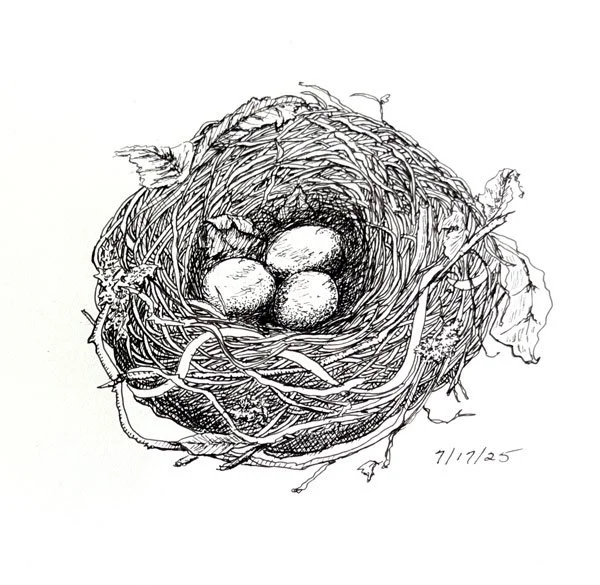
So I gave myself a new assignment: one month of practice.
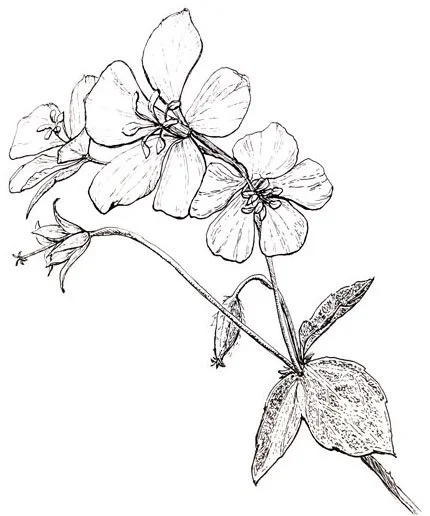
For each new practice session, I picked a single subject from a reference photo. No full scenes or complicated compositions—just one thing. A flower, a bird, a leaf. Something that caught my eye for reasons I didn’t need to explain.
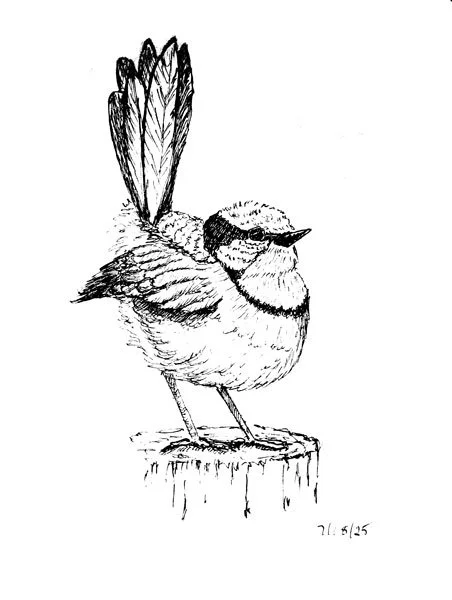
Almost everything I chose came from nature. A feather’s texture. The ridges of a seed pod. The curve of a stem. Some drawings were dense with detail; every millimeter filled with tiny marks until the subject felt carved from light and shadow. Others were airy and minimal. A few I abandoned halfway through when I realized I’d lost interest. That in itself was useful to notice—not every drawing needs to be finished.
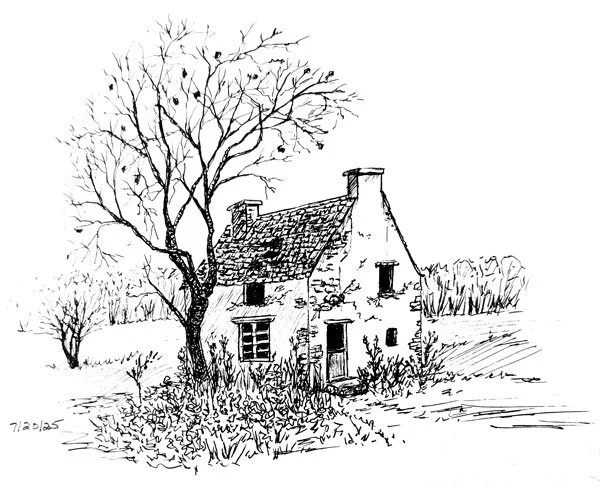
I also learned that I don’t enjoy working larger than 8x10. Large paper demands either bigger marks or far more small ones, and neither appeals to me. I prefer work that feels intimate, as though the viewer needs to lean in close.
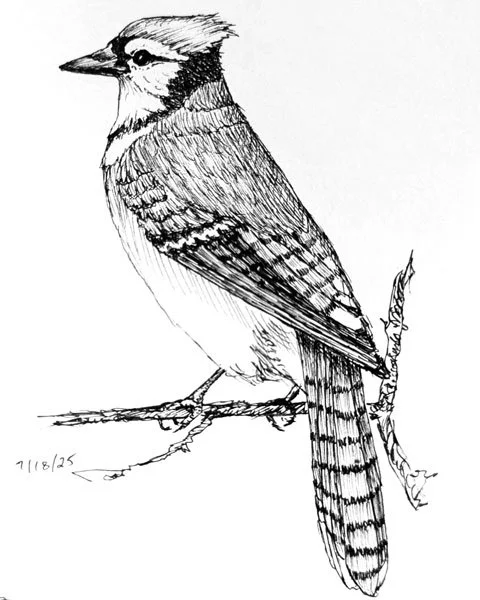
This month wasn’t about improving technique as much as it was about finding patterns—seeing what felt right and what didn’t. Over time, I noticed I was drawn to pieces that balanced detail with open space. I’d been moving toward this without realizing it, but now I could see it more clearly.
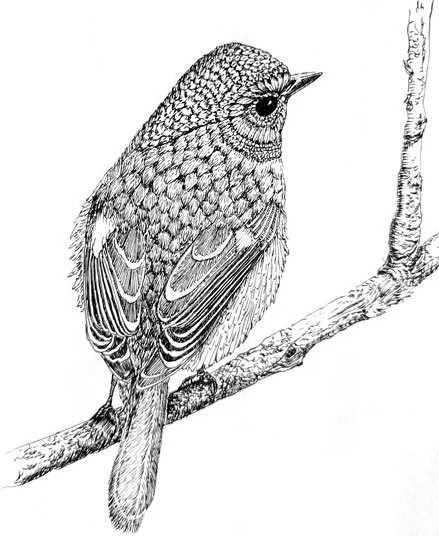
Toward the end of the month, I made a drawing that pulled it all together. It had enough intricate line work to keep my hand busy, but enough open space to keep the composition light. It felt like the two sides of my preferences—detail and simplicity—finally met in one place.
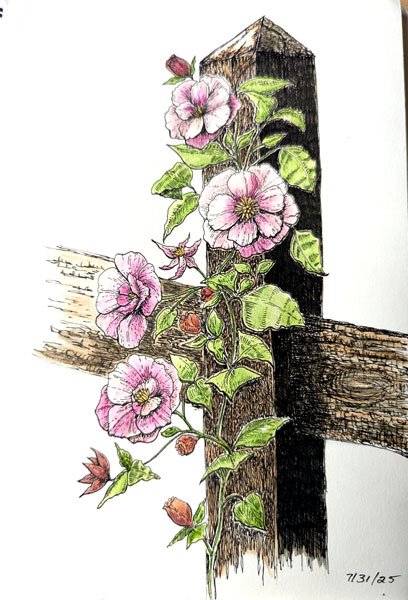
Through it all, one thing stayed constant: the reason I draw. It’s the same reason it has always been. I feel the healing power and Divine presence in nature, and my work is an attempt to pass that feeling on—a visual blessing, something that might quiet a restless mind or spark a small joy.
I’m still figuring out exactly what this next chapter will look like, but I know I’m closer to the core of what I want to make.
Art is a kind of compass. It doesn’t point toward applause or approval—it points toward truth. And if I follow it faithfully, I will end up where I belong.
So once again, onward I go… not toward the loudest voices, but toward the truest ones.
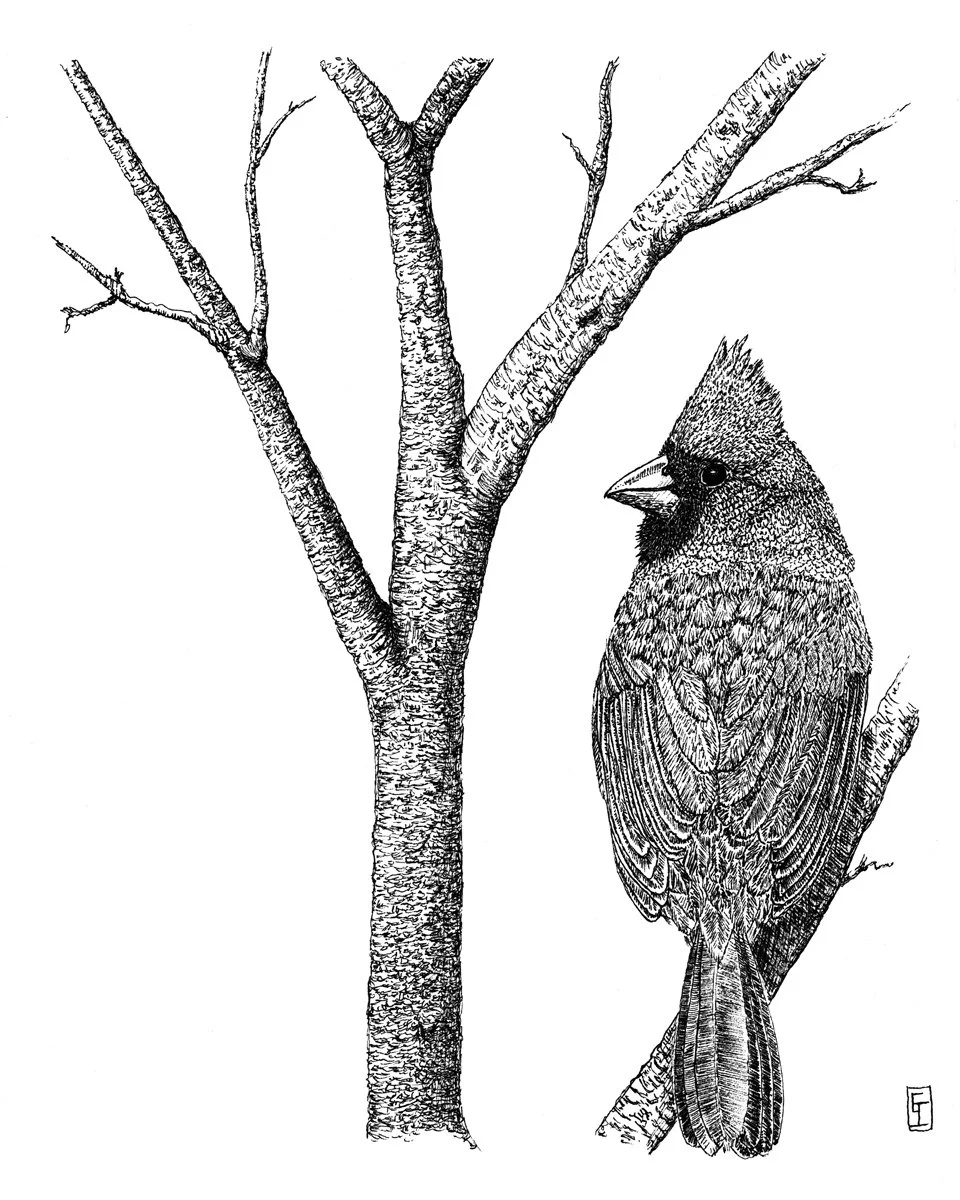
Where Love Alights